TechCrunch and CNBC both covered Flamme. I never pitched either of them.
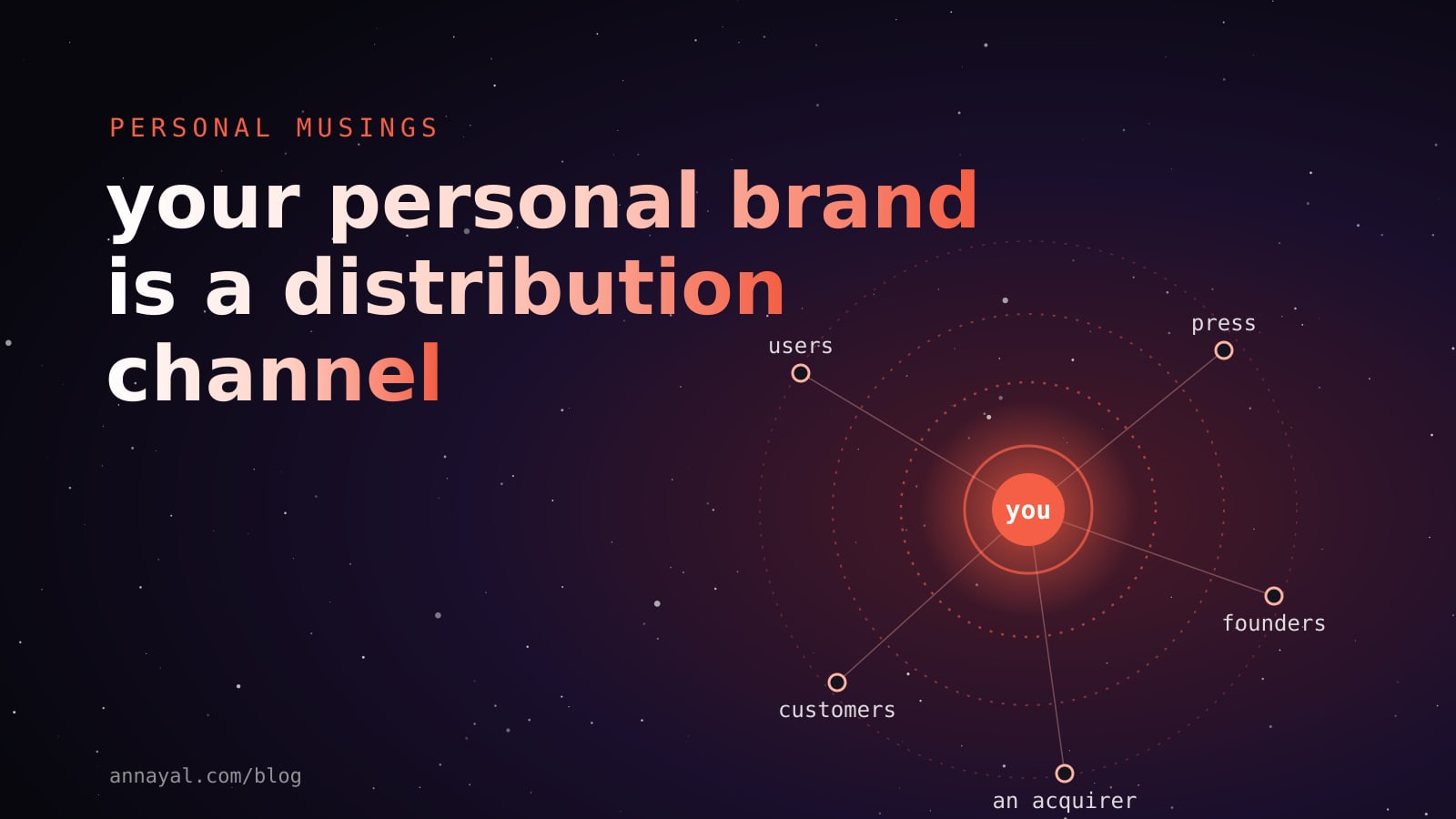
What they found was a thread of posts under my own name, written while I was trying to keep the company alive. Most founders file that kind of posting under credibility, something to tidy up once the company works, next to the headshot and the bio. For a consumer founder it is a distribution channel, and usually the cheapest one you will ever own.
#It started as survival, not branding
Flamme launched at 0.8% D30 retention. Small team, limited capital, and I had spent far too long on product and almost nothing on distribution. Build it and they will come is a lie every founder tells themselves once.
So I went to TikTok. Not because I loved it, but because it was the only channel a broke team could run at volume. I scrolled four hours a day for two months, reverse engineering hooks and formats, and slowly turned that into a system: multiple accounts, format replication, track everything, iterate. It took Flamme to 50M+ organic views and 200K+ users with zero paid spend, and D30 retention went from 0.8% to 50%+.
While I was building it, I posted about it. The failures, the banned accounts, the ugly Excel sheets where I tracked every account. It wasn't a content strategy. I was thinking out loud about what was breaking.
That thread became its own channel. It brought in users and founders, then the press. Later it brought in Business Insider, and the conversation that ended with Arya acquiring Flamme, which started with a LinkedIn message that had no pitch in it. The posts were doing the same job as the TikTok farm, except this channel had my face on it, and nobody could throttle it.
#Why a face beats a logo right now
Paid got expensive. Brand accounts lost organic reach, because the platforms reward what feels personal over what reads like a press release. And AI filled every feed with clean, competent posts nobody remembers.
Put those together and the asset that still compounds is an operator posting real numbers under their own name.
AI can write a tidy post about retention. It can summarise the Fogg model. It can't tell you which push notification actually moved D30, because it never spent two months on TikTok at 2am watching accounts get cooked, and it never shipped the thing and watched the graph move. Lived experience with the numbers attached is the one thing the flood can't produce.
For a B2C founder this matters even more. Your buyer isn't a procurement committee. It's a person scrolling a feed, and people trust a person before they trust a logo.
#Give the playbook away
Most founders who want a following still gatekeep everything that would make them worth following. They post vague inspiration and keep the real material for a course or a sales call.
I did the opposite. I gave the whole TikTok farming playbook away on X: the VSC framework, the 300-view rule, the comment loops, and the geo-cluster problem that was quietly killing half our accounts until we worked out why.
That playbook is the reason most people know Agniverse exists. An idea you keep reaches one person on a call. An idea you give away reaches everyone who will ever buy from you, and keeps doing it after you log off.
#The losses travel further than the wins
My best posts were never the victory laps. They were the Veo videos that looked perfect and flopped because TikTok flagged the SynthID watermark. The accounts that died below 300 views. The colourful, ugly Excel sheets.
People don't trust a highlight reel. They trust someone showing the mistake with the receipts. If your post could have been written by your competitor's intern, nobody will remember it. The specific, slightly embarrassing version with numbers in it is the one that gets shared.
#Run it like a growth channel
Founders ask how to stay consistent as if it were a willpower problem. It's a systems problem, and you already know how to solve those.
Run your posting through the loop you'd run any channel through: generate, publish, track, analyse, update, repeat. Note what landed and cut what flopped. Keep a running file of your angles, hooks and lines that sound like you, the way you'd keep a playbook for any other channel.
You don't need to be interesting every day. You need a system that makes posting the default rather than a decision.
#What this means for you
A personal brand isn't a reputation exercise for later. It's a channel you own outright. Competitors can't copy it, because it's built from things only you lived through. Paid stops the day you stop paying. This keeps working after every post.
You already have one, by the way. Every post, every silence and every empty profile is shaping it. The only choice is whether you run it on purpose or let the algorithm decide what you stand for.